
Weißt du, was deine Hände beim Golfschwung wirklich tun?
Golf-Launch-Monitore messen fast alles über den Golfballflug. Videoanalysen offenbaren Ihre Körperbewegung während des Schwungs.
Aber die einzige Verbindung des Golfers zum Schläger – Ihre Hände – ist weitgehend unsichtbar geblieben.
Dieser Leitfaden erklärt, warum Hand- und Fingerkräfte eines der fehlenden Puzzleteile im Golftraining sein können.
In diesem Leitfaden erfahren Sie, wie sie Release, Schlägerblattkontrolle sowie die Konsistenz beim Schwung und Putten beeinflussen und warum nur eine objektive Messung ein neues Kapitel im Coaching und in der Spielerentwicklung aufschlägt.
Warum der Golf-Griffdruck wichtiger ist, als die meisten Golfer denken
Viele Golfer haben denselben Rat von ihren Trainern gehört:
“Lockere deinen Griff”
“Halten Sie Ihren Schläger fest.”
“Wende in deiner rechten Hand weniger Kraft an”
“Lasst den Schläger sich auf natürliche Weise ausschwingen”
“Durch den Ball schwingen”
“Haltet die Hände still”
Sie scheinen völlig einfach zu sein, doch sie sind nur schwer konsequent anzuwenden. Der Grund dafür ist ebenfalls einfach. Fast jedes Element des traditionellen Coachings gibt Ihnen Anweisungen, was Sie tun sollen – aber nur sehr wenig erklärt, was Ihre Hände tatsächlich während des Golfschlags tun.
Wie fest ist zu fest?
Wie viel Druck sollte jede Hand ausüben?
Sollte Ihr Griff während des gesamten Schwungs konstant bleiben oder verändert er sich?
Und wenn Sie sich verändern, wie verändern Sie sich?
Welche Rolle spielen Ihre Finger beim Abwurf?
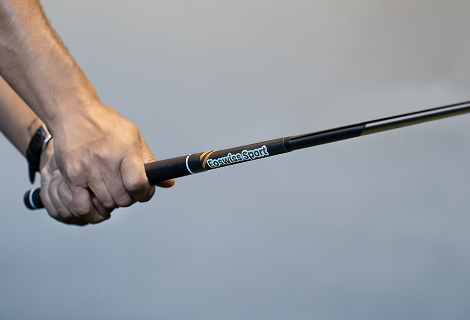
Können Handkräfte tatsächlich gemessen werden?
Bis vor kurzem lautete die Antwort im Wesentlichen nein.
Jede Bewegung des Schlägers beginnt mit Handkräften und Fingerkräften am Griff. Damit kontrollieren Sie den Zeitpunkt des Loslassens, die Schlägerblattstellung und letztendlich die Konsistenz Ihrer Schwünge und Ihrer Ballflüge, dem Ergebnis der gesamten Übung.
Golf-Launch-Monitore messen Ballgeschwindigkeit, Abflugwinkel, Spinrate und so weiter mit sehr hoher Genauigkeit.
Die Videoanalyse half dabei, Ihre Körperbewegungen im Millisekundenbereich während des Schwungs zu verstehen und zu analysieren. Aber keines der Systeme sagt Ihnen, wie Ihre Hände diese Ergebnisse erzielen!
Die Hände des Golfers.
Die Hände sind die einzige physische Verbindung des Golfers zum Schläger. Alle Kräfte, alle Bewegungen werden durch die Hände auf den Schläger übertragen.
Jeder Schlag – egal ob ein extralanger Drive, ein gefühlvoller Chip oder ein Putt. Alles hängt davon ab, wie die Hände mit dem Schläger interagieren.
Wenn sich diese Interaktion verändert, dann verändern sich auch der Schwungpfad und die Schlägerblattausrichtung. Und folglich verändert sich der Ballflug.
Es ist eine einfache Kette von Ereignissen, aber bis jetzt war eines ihrer wichtigsten Glieder weitgehend unsichtbar. Stellen Sie sich einen Golfer vor, der den Ball wiederholt nach links zieht.
Ein Launch Monitor mag Ihnen zwar sagen, dass die Schlägerfläche im Treffmoment geschlossen war. Ein Video zeigt Ihnen vielleicht einen vorzeitigen Release (wie auch immer Sie diesen genauen Punkt definieren mögen...??). Aber keines von beiden erklärt, warum sich die Schlägerfläche geschlossen hat. War die hintere Hand dominant? Nahm die Kraft zu früh zu? Hat der Spieler den Schläger anders freigegeben als beim vorherigen Schwung?
Diese Antworten bleiben weitgehend unsichtbar.
Der Unterschied zwischen Gefühl und Realität
Eine große Herausforderung beim Golf ist, dass wir glauben zu wissen, was unsere Hände tun, weil wir es spüren. Unser Gefühl unterscheidet sich jedoch oft stark von der Realität! Während ein Golfer glauben mag, er schwinge sehr flüssig, kann das Video hastige Übergänge offenbaren.
Viele Golfer glauben, dass sie während des gesamten Schwungs einen gleichbleibenden Griffdruck beibehalten – das entspricht jedoch nicht der Realität!
Handkraftmuster sind hochgradig dynamisch.
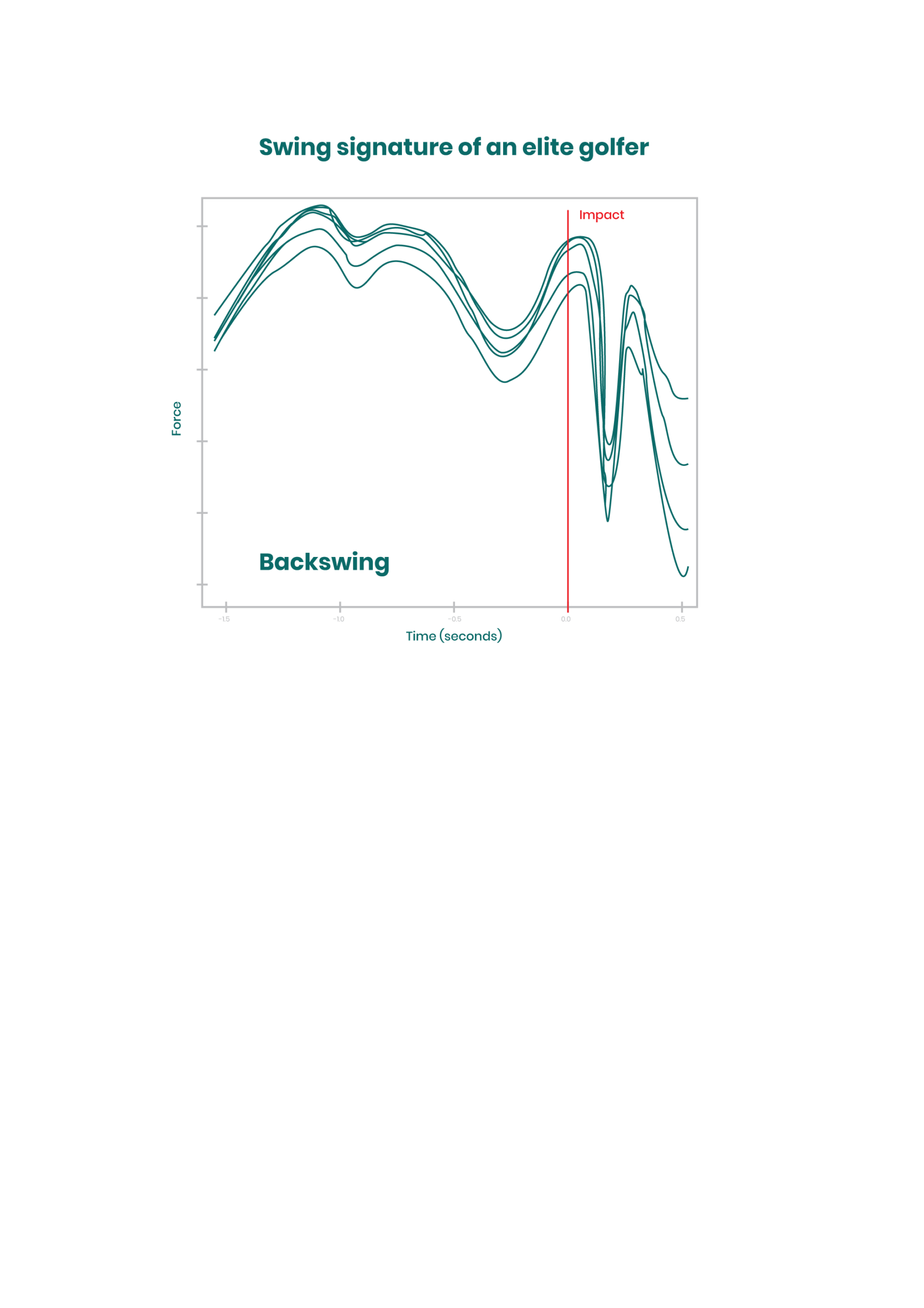
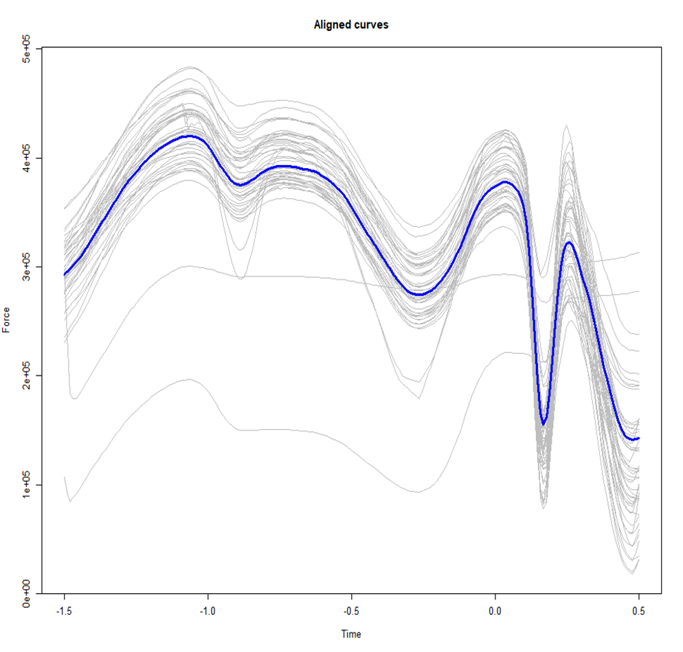
Die Handkräfte verändern sich kontinuierlich von der Ansprechposition über den Rückschwung, die Transition und insbesondere den Abschwung und Treffmoment bis hin zum Durchschwung.
Ein Teil dieser Kräfte und Druckverlagerungen wird durch die Physik diktiert (insbesondere im Abschwung, Treffmoment und Durchschwung).
Während des Abschwungs übertragen Sie die Bewegungsenergie Ihres Arms auf Ihren Schläger, insbesondere auf den Schlägerkopf. Beim Release übernimmt der Schlägerkopf und bestimmt die Kräfte und Bewegungen. Beim Release wird Ihre Hand langsamer, aber Ihr Schläger beginnt eine Rotationsbeschleunigung. Der Schlägerkopf nimmt durch die Zentrifugalkraft an Geschwindigkeit auf.
Diese Kraft kommt von der Rotation des Schlägers und der Schlägerkopfgeschwindigkeit, sie ist nicht nur eine Frage Ihrer persönlichen Biomechanik (wie Ihrer Armlänge oder Muskelkraft).
Im Gegensatz dazu wird der Rückschwung stark von den eigenen Bewegungsmustern und Techniken des Golfers geprägt. So bereitet man sich auf den Abschwung vor. Dies ist ein sehr persönliches Muster und wird größtenteils durch die Art und Weise bestimmt, wie man vor Jahren Golf gelernt hat, und natürlich auch durch den Trainer.
Trainer verlassen sich auf Erfahrung und darauf, den Golfer zu beobachten. Spieler verlassen sich auf ihr Gefühl.
Beide sind wertvoll, aber keine von beiden liefert objektive Daten!
Warum das für jeden Golfer wichtig ist
Betrachten wir eine Situation, die jeder Golfer schon einmal erlebt hat
Betrachten wir zwei Golfer, die sehr ähnliche Launch-Monitor-Daten haben, zum Beispiel:
Gleiche Schlägerkopfgeschwindigkeit
Gleiche Schlagweite
Gleicher Abflugwinkel
Auf dem Papier erwartet man, dass ihre Schwünge fast identisch wirken. Wenn man die Videoanalyse überprüft, sieht man nur sehr geringe Unterschiede in den Körperbewegungen.
Bitten Sie sie nun jedoch, denselben Schlag 20- oder 30-mal auszuführen, und überprüfen Sie dann die Ergebnisse. Der eine Golfer wird bei jedem Schlag dasselbe Ergebnis erzielen. Der andere Golfer wird manchmal dasselbe Ergebnis erzielen, aber manchmal auch viel zu weit links, viel zu weit rechts, einen Slice, einen Hook und so weiter. Die Variabilität der beiden Golfer ist völlig unterschiedlich.
Wie kann das passieren?
Kennst du die Situation?
Hast du schon einmal dasselbe erlebt?
Normalerweise beginnen Sie jetzt mit den Ermittlungen:
Passt das Schlägerfitting?
Ist es zu heiß?
Bin ich müde?
Ist die Trainingsbox nicht gut?
Sind die Messungen korrekt?
Ist der Schläger zu lang? Ist der Schläger zu flexibel?
Ich bin mir sicher, dass Sie Erfahrung mit einer solchen endlosen Flut von Fragen haben, warum etwas nicht wie erwartet passiert.
Herkömmliche Messsysteme beschreiben oft nur die Ergebnisse und sonst nichts. Sie erklären jedoch nicht die Ursache.
Missverständnisse
Es gibt einige Missverständnisse.
Unsere Hände “halten” den Schläger nicht nur und der Rest wird durch die Körperbewegung erledigt.
Unsere Hände und Finger lenken die Kräfte aktiv in den Schläger und bestimmen, wie schnell oder langsam diese Kräfte aufgebaut werden.
Unsere Finger, das Gleichgewicht zwischen linker und rechter Hand, sorgen für die Feinausrichtung der Schlägerfläche. Manchmal drehen sie den Schläger sogar um seine Achse (sehr leicht), manchmal nicht. Mit einem Launchmonitor allein werden Sie eine solche Veränderung niemals sehen – Sie sehen nur das Ergebnis.
Unsere Hände halten nicht nur den Schläger, sondern steuern ihn aktiv während des Schlägels.
Dennoch bestimmen diese kleinen Änderungen, oft im Millisekundenbereich, das Endergebnis!
Wenn diese Kräfte gemessen werden könnten, ließe sich dem Golf-Training eine völlig neue Dimension des Verständnisses hinzufügen.
Handkraft ist mehr als nur das Halten des Schlägers“
Viele Golfer denken beim Griffdruck immer noch in einzelnen Zahlen (weil sie so trainiert wurden):
“Greife so leicht zu, als hieltest du einen Vögelchen”
“Leicht greifen”
“Fest zugreifen, aber nicht zu fest”
Die Realität ist (wie wir alle wissen) weitaus komplexer als das.
Der Greifdruck ist nicht statisch.
Die Annahme, dass der Handgriff ähnlich wie ein homogener “Kraftring” um den Griff wirkt, ist also falsch.
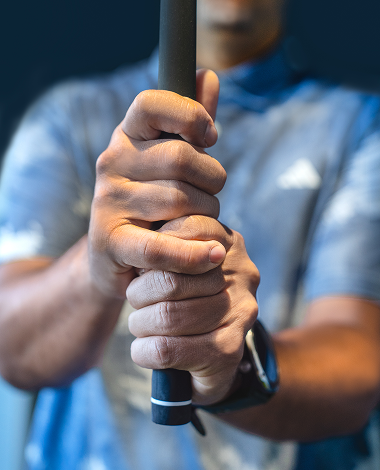
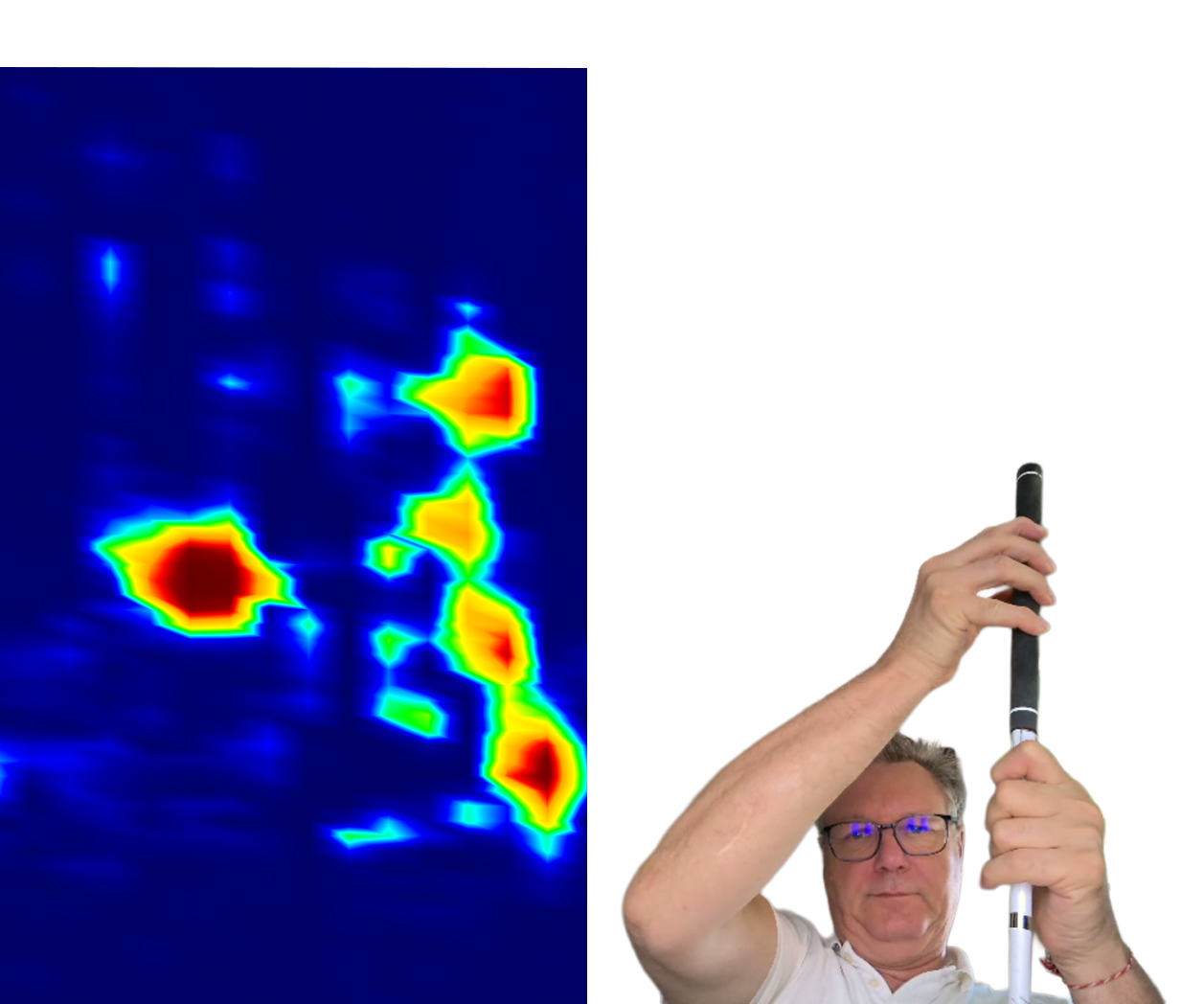
Obwohl Sie den Schläger mit beiden Händen halten, verteilen sich Kraft und Druck nicht gleichmäßig auf den Griff. Ihre einzelnen Finger üben sehr unterschiedliche Kräfte auf den Schläger aus. Die verschiedenen Bereiche Ihrer Handfläche üben jeweils sehr unterschiedliche Kräfte beziehungsweise Drücke auf Ihren Griff aus.
Es ist keine statische Kraft, noch eine homogene Kraft um Ihren Griff herum.
Während des Schwungs entwickeln Handkräfte ein spezifisches Muster. Während das Kraftmuster beim Rückschwung weitgehend von Ihrer Biomechanik gesteuert wird (z. B. wie Sie Golf spielen gelernt und Ihre Körperbewegung ausgeführt haben), weisen Abschwung, Treffmoment und Durchschwung zwar persönliche Merkmale auf, werden jedoch stark von der Physik der Bewegung (insbesondere von den Zentrifugalkräften nach dem Release) bestimmt. Hier nur ein kurzes Wort:
“Fasse so leicht an, als würdest du einen Vogel halten“ ist ein Ratschlag, der häufig gegeben wird. Wenn man über die Details des Loslassens nachdenkt, wird klar, dass dieser Ratschlag nur im exakten Moment des Loslassens gilt.
Wenn Sie Ihren Schläger während der Zentrifugalbeschleunigung Ihres Schlägerkopfes wie einen Vogel halten würden, würde es Ihnen den Schläger einfach aus den Händen reißen. Ihr Schläger würde wegfliegen.
Dieser Satz hilft vielen Golfern bei ihrem Schwung. Ich denke, dass darin absolute Wahrheit liegt, man muss jedoch auch definieren, wann dieser leichte Griff angebracht ist. Er ist sicherlich nicht während des gesamten Schwungs ausreichend. Wir werden auf diesen speziellen Punkt gleich noch einmal zurückkommen.
Das Verständnis der Kraftdynamik und ihrer Interaktion mit dem Schläger eröffnet neue Coaching-Möglichkeiten und neue Perspektiven für die Spielerentwicklung.
Anstatt nur zu fragen:
“Wie fest sollte ich meinen Schläger halten?”
Wir können beginnen zu fragen:
Wann sollten meine Druck- und Kraftkurve ansteigen?
Welche Hand sollte während des Schwungs welche Kraft haben?
Was genau macht mein Daumen während des Schwungs und wann?
Bleibt das Druckmuster von Schwung zu Schwung konstant?
Wie verändert sich meine Kraftkurve unter Druck bzw. wenn ich gestresst bin? Wie sieht sie aus, wenn ich müde bin?
Was ist die Ursache für die Variabilität meiner Schwungergebnisse?
Das sind Fragen, die Golfspieler selten objektiv beantworten konnten.
Das Bild vervollständigen
Golf-Launch-Monitore haben den Golfsport revolutioniert, indem sie uns geholfen haben, den Golfballflug zu verstehen. Hochgeschwindigkeits-Videoaufnahmen haben den Golfsport revolutioniert, indem sie uns geholfen haben, die Körperbewegungen zu verstehen.
Der nächste Schritt könnte darin bestehen, die Interaktion zwischen Golfer und Schläger zu verstehen.
Es soll weder Coaching noch Launch-Monitore oder Erfahrung ersetzen.
Sondern um sie zu ergänzen!
Was wir als das Ideale betrachten:
Stellen Sie sich vor, all diese Informationen zu kombinieren:
Ballflugdaten
Club-Lieferdaten
Video
Körperbewegung und
Ziel- und Kraftanalyse
Anstatt nur zu sehen, was passiert ist, beginnen Golfer und Trainer zu verstehen, warum es passiert ist.
Und das ist die einzige Möglichkeit, wie man etwas verbessern kann! Zuerst muss man es sehen!
Das ist eine grundlegend andere Sichtweise auf die Golfleistung
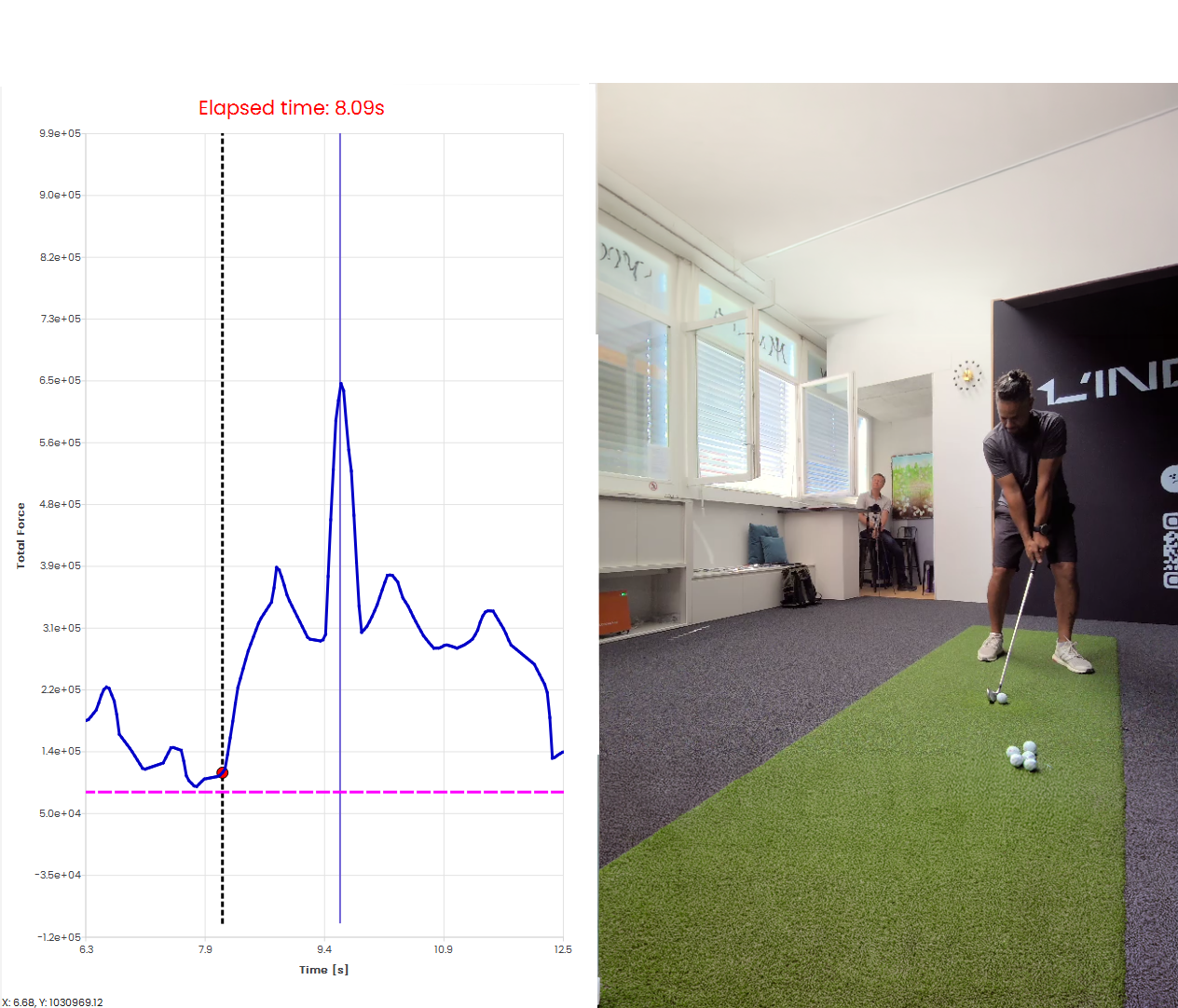
Eine neue Art, über Verbesserungen nachzudenken
Seit vielen Jahren haben Golfer einfach akzeptiert, dass bestimmte Aspekte des Schwungs einfach nicht gemessen werden konnten.
Griffdruck und Handkräfte werden dort oft mit subjektiven Formulierungen beschrieben wie:
“6/10”
“entspannt”
“fest, aber nicht stark”
“aktiv”
Diese Beschreibungen bleiben nützlich, sind aber sehr subjektiv.
Objektive Messungen haben andere Bereiche des Golfsports verändert. Es gibt allen Grund zu der Annahme, dass dies auch für die Hände gelingen kann.
Unser Verständnis davon, wie sich der Griffdruck während des Schwungs verändert – und wie diese Veränderungen zusammenhängen mit:
- Veröffentlichungszeitpunkt,
- Schlägerblattstellung und auch
- einsetzend
möglicherweise eines der nächsten wegweisenden Golftrainingseinheiten für Höchstleistungen werden.
Denn bevor Golfer ihre Handtechnik verbessern können, müssen sie zunächst verstehen, was ihre Hände tatsächlich tun.
Sie müssen erst einmal verstehen, was ihre Hände eigentlich tun!
Bevor wir analysieren, was während des Schwungs passiert, brauchen wir zunächst eine gemeinsame Sprache.
In diesem Leitfaden werden wir eine Reihe von Fachbegriffen verwenden.
Das Verständnis der Sprache der Handkraftanalyse
Bevor wir analysieren, was während des Schwings passiert, brauchen wir zunächst eine gemeinsame Sprache. In dieser Anleitung werden eine Reihe technischer Begriffe verwendet. Diese Konzepte sind nicht unbedingt wissenschaftlich, aber sie sind eigentlich recht einfach – und sie helfen Ihnen, den Rest des Artikels viel einfacher zu verstehen.
Das Verständnis der Sprache der Handkraftanalyse
Unsere Definitionen
Handkraft: Das ist die Kraft, die die Hände auf den Golfgriff ausüben.
Um ein Beispiel zu nennen: Ein Mann hat mit beiden Händen normalerweise eine Kraft von etwa 1000 Newton (N), das sind 500 N pro Hand. Das ist die Kraft, die Sie brauchen, um sich an der Klimmzugstange hochzuziehen, wenn Ihr Gewicht 100 kg beträgt.
Eine Gesamtkraft von 500 N aus beiden Händen ist eine sehr häufige Spitzenkraft im Treffmoment, wenn Sie ein Eisen 7 verwenden und Ihre Ballflugdistanz etwa 140 m (155 Yards) beträgt.
Ein Profispieler mit einem Driver wird weit mehr als 1000 N erreichen!
Handdruck, Griffdruck: Druck ist Kraft pro Fläche. Es ist lediglich eine andere Bezeichnung, um Ihre Handkraft am Golfgriff auszudrücken. Es ist jedoch nützlich, wenn Sie verschiedene Handgrößen vergleichen. Hier kommen die Unterschiede zwischen Männern, Frauen und Junioren ins Spiel.
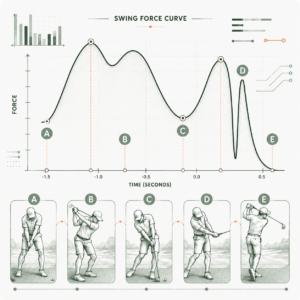
KraftkurveEs ist die Kraftentwicklung beider Hände während des Schwungs. Zum Beispiel sind die meisten Golfer beim Takeaway sehr entspannt und erhöhen dann ihre Handkraft während des Rückschwungs. Alle Golfer haben ihre persönliche Art, wie sie den Rückschwung ausführen. Die Biomechanik ist ein wichtiger Faktor, aber dieser kann von der Art und Weise dominiert werden, wie Ihr Trainer Ihnen Golf beigebracht hat (selbst wenn dies viele Jahre her ist).
Wenn Sie den Abschwung einleiten, lockern Sie beim Release den Druck der Hände (um den Schläger rotieren zu können).
Wenn sich der Ball in Ihrem Club beschleunigt, nimmt die Zentrifugalkraft zu, aber Sie halten den Ball fest. Daher steigt der Handdruck – weil der Ball wegfliegen will, aber Sie ihn in den Händen behalten.
ZwangsmusterJeder Golfer hat ein spezifisches Muster seiner Kraftkurve. Es gibt immer einen Höchstpunkt während des Rückschwungs, dann ein Tal zu Beginn des Abschwungs und der Freigabe, und schließlich einen starken Anstieg, wenn die Bewegung des Schlägerkopfes mit ihrer Zentrifugalkraft übernimmt. Das am häufigsten beobachtete Kraftmuster weist zwei Höhepunkte auf. Einen breiten Höhepunkt während des Rückschwungs und einen sehr scharfen und steilen Höhepunkt nach der Freigabe und dem Treffmoment. “Idealerweise” (wenn man den Ball mit der höchsten Schlägerkopfgeschwindigkeit schlagen möchte) findet der Treffmoment exakt auf dem Höhepunkt dieses zweiten Peaks statt.
Kraftvariabilität Die Kraftvariabilität sind die Unterschiede in den Kraftkurven, wenn man 20 bis 50 Schwünge miteinander vergleicht. Ein professioneller Golfer hat eine sehr geringe Variabilität, was bedeutet, dass man kaum einen Unterschied zwischen den Kurven erkennen kann.
Golfspieler mit weniger Erfahrung zeigen eine größere Variabilität bei der Auslösezeit, dem Aufprallzeitpunkt und der Form ihrer Kraftkurven. Allerdings bleiben die charakteristischen Merkmale, die jedem einzelnen Spieler eigen sind, immer gleich – seine “Swing-Signature”.”
Eine sehr geringe Variabilität der Handkraft führt direkt zu einer geringen Variabilität der Ballflugergebnisse.
Die Handkraftkurve und die Ergebnisse des Ballflugs korrelieren direkt!
Eine hohe Variabilität innerhalb einer Reihe von 20 bis 50 Schwüngen führt zu einer hohen Variabilität der Ballflugergebnisse. Dabei kann nicht nur das Kraftmaximum variieren, sondern auch das Timing – das bedeutet die Form der Kurve.
AuswirkungNach unseren Bedingungen bedeutet Treffpunkt, wenn der Schläger den Ball berührt.
Veröffentlichung wenn die Kraft durch die Zentrifugalkraft infolge der Schlägerkopfgeschwindigkeit die Oberhand gewinnt. Dies geschieht Millisekunden, nachdem Sie beginnen, das Handgelenk zu öffnen. Der Release beginnt, wenn Sie Ihren Handgelenkwinkel öffnen. In einer Kraftkurve ist dies der Tiefpunkt im Tal vor dem Treffmoment-Peak.
Die Auslösung erfolgt nach dem Aufprall.
Swing-Signatur: Dies ist Ihre ganz persönliche Kraftkurve. Wir nennen sie “Signatur”, weil sie so persönlich ist, dass sich die Form selbst bei verschiedenen Schlägern ändert, man aber dennoch Ihre ursprüngliche Schwungsignatur erkennt. Genau wie bei einer handschriftlichen Unterschrift. Anderes Schreibgerät, kleiner oder größer geschrieben, dennoch bleibt Ihre Unterschrift einzigartig.
 English
  日本語
日本語  한국어
한국어  Deutsch
  Deutsch (Schweiz)
  English (UK)
  English (Australia)
  English (Canada)
  Français
  Italiano
  Deutsch (Österreich)
  Français du Canada
  Svenska